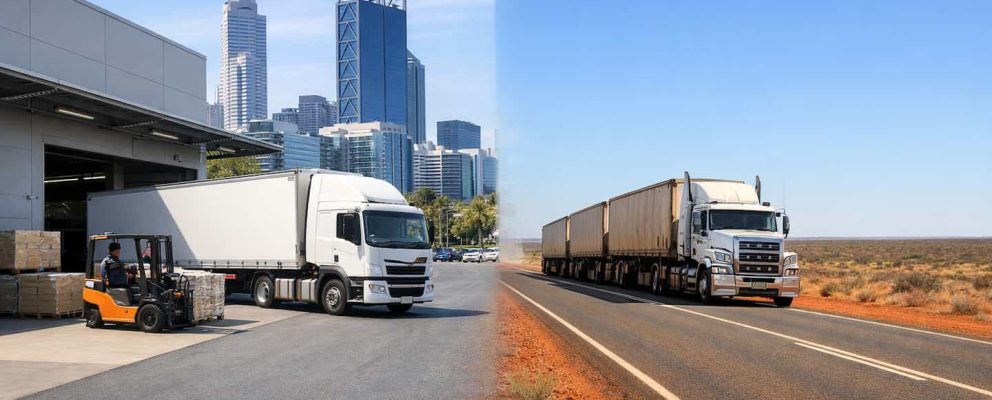
Metro vs regional WA freight comes down to three key factors: lead times, access conditions, and planning requirements. In Perth metro areas, freight usually moves faster thanks to shorter distances and more frequent delivery runs, but it is also affected by traffic, delivery windows, and site constraints. In regional Western Australia, freight generally takes longer and requires more detailed planning due to distance, road conditions, route suitability, and access limitations.
For businesses moving goods across WA, these differences directly affect delivery reliability, transport costs, and day-to-day operations. Understanding how metro and regional freight work helps you avoid delays, choose the right freight approach, and keep your supply chain running smoothly.
Quick Summary
- Metro freight in Perth is usually faster and more flexible
- Regional WA freight needs longer lead times and more planning
- Metro deliveries are often affected by traffic, unloading access, and strict delivery windows
- Regional deliveries are more affected by distance, route limitations, and site conditions
- Metro freight planning focuses on scheduling efficiency
- Regional freight planning focuses on preparation and contingency
- Choosing the right transport approach helps reduce delays and unnecessary costs
Metro vs Regional Freight in WA at a Glance
Understanding the difference between metro and regional freight starts with how each operates in practice. While both involve moving goods across Western Australia, the way they are scheduled, managed, and delivered is very different.
Metro Freight (Perth)
- Same-day or next-day delivery is often achievable
- High delivery frequency with more flexible scheduling
- Shorter distances between pick-up and drop-off points
- Traffic congestion and peak-hour conditions can affect timing
- Delivery windows and site booking requirements are often strict
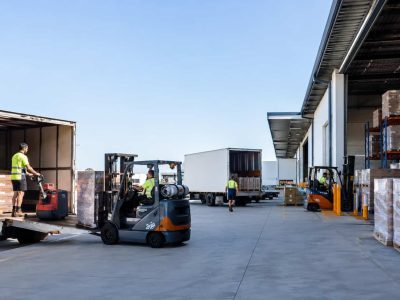
- Access issues such as loading docks, forklifts, and vehicle size restrictions can create delays
Metro freight is best suited to businesses that need fast turnaround, frequent deliveries, and efficient movement within Perth.
Regional Freight (WA)
- Multi-day lead times are more common
- Service runs are often less frequent, which makes advance planning more important
- Freight often travels long distances to regional or remote locations
- Longer routes can create more variables that affect delivery timing
- Route planning is often needed for heavier vehicles or specific loads
- Access depends on road suitability, infrastructure, and site conditions
Regional freight is better suited to planned freight movements where preparation and reliability are more important than speed.
Lead Times: Why Regional Freight Requires More Buffer
Lead times are one of the clearest differences between metro and regional freight. While Perth deliveries can often be arranged quickly, regional WA freight needs more time, more coordination, and more room for unexpected changes.
Metro Freight Lead Times
Within the Perth metro area, shorter travel distances and more frequent runs make faster delivery possible. Businesses can often arrange same-day or next-day freight, especially when the freight is moving between major industrial and commercial areas.
For regular local movements, Bossna’s freight transport services support reliable Perth metro deliveries, while its WA state freight capability supports broader freight movement across Western Australia.
Regional Freight Lead Times
Regional freight operates on a different scale. Distances are much greater, run frequency is lower, and there is usually less flexibility once freight has been scheduled. Depending on the destination, deliveries can take multiple days.
Sending freight from Perth into regional or remote parts of WA is not simply a longer version of a metro delivery. It usually involves more route planning, more lead time, and a greater need to account for conditions outside your control.
What This Means for Businesses
If your business depends on regional deliveries, buffer time matters. A metro delivery may be able to absorb a late booking or a minor delay. Regional freight usually cannot. The more realistic the lead time, the more reliable the outcome.
Access: Metro Constraints vs Regional Limitations
Access plays a major role in freight planning across WA. In metro areas, access issues usually happen at the delivery point. In regional areas, access can affect the entire journey from the moment the freight leaves Perth.
Metro Access Challenges
In Perth, access is often shaped by site-specific conditions rather than distance. A delivery may only be a short drive away, but delays can still happen if the site has limited unloading space, strict booking windows, or vehicle restrictions.
Common metro access issues include:
- fixed delivery windows
- limited loading dock availability
- lack of on-site unloading equipment
- restricted access for larger vehicles
- congestion around industrial estates and commercial areas
A short-distance delivery can still become inefficient if the wrong vehicle is booked or the site requirements are not confirmed in advance.
Regional Access Challenges
Regional access is broader and often more complex. Instead of just focusing on the delivery site, businesses also need to consider whether the roads, bridges, and surrounding infrastructure are suitable for the vehicle and load.
This is especially relevant when freight is heading to remote facilities, farms, worksites, or industrial operations. In some cases, the delivery is straightforward. In others, route suitability, access restrictions, and load requirements need to be reviewed before dispatch.
Why Access Planning Matters
Access issues create delays, rebooking costs, and unnecessary handling. Whether the freight is heading to a warehouse in Perth or a remote site in regional WA, understanding access requirements before the job starts makes the delivery more efficient and more reliable.
Planning: Scheduling vs Risk Management
The way freight is planned changes significantly between metro and regional WA. Metro freight planning is usually about timing and coordination. Regional freight planning is more about preparation, route awareness, and reducing risk.
Metro Freight Planning
In metro areas, planning is focused on completing deliveries efficiently within tighter timeframes. The main goal is to keep freight moving through a busy urban network without wasting time.
This usually involves:
- scheduling deliveries around traffic conditions
- coordinating site booking windows
- grouping multiple deliveries into one efficient run
- selecting the right vehicle for access and turnaround time
Metro freight planning is largely operational. The route itself is usually available, but the timing of the trip is what makes the difference.
Regional Freight Planning
Regional freight planning requires a wider view. The longer the journey, the more important it becomes to account for variables such as road conditions, service availability, unloading requirements, and location-specific risks.
Planning may include:
- confirming the most suitable route
- checking road and access conditions
- allowing for longer travel times
- coordinating delivery with remote sites
- building contingency into the schedule
Once freight is moving through regional WA, last-minute changes become harder and more expensive to manage. Good planning at the start reduces those problems later.
Why Planning Affects Cost
Poor planning can lead to missed delivery windows, rebookings, unnecessary delays, and inefficient vehicle use. In metro freight this can disrupt the day. In regional freight it can affect the whole delivery schedule and add significant cost.
Industry-Specific Considerations in WA
Different industries across WA place different demands on freight. What works for retail deliveries within Perth may not work for mining operations, refrigerated goods, or container movements heading into regional areas.
Mining and Remote Operations
Mining logistics in WA often involves remote site mobilisation, tighter site requirements, and more coordination than standard freight. For businesses servicing remote projects or industrial sites, mining logistics requires a more structured approach than standard metro freight.
Refrigerated and Perishable Freight
For temperature-sensitive goods, planning becomes even more important. Longer transit times increase the risk of spoilage, and delays can affect product quality as well as consistency.
Where cold chain reliability matters, refrigerated transport in Perth supports safer and more consistent freight movement across both metro and regional WA.
Container Transport and Bulk Freight
Container and bulk freight often involve several stages, including collection, transport, warehousing, unpacking, and final delivery. That means timing and coordination matter even more.
Services such as container transport, container unpacking in Perth, and warehouse and distribution can help simplify these movements, especially when freight needs to move from port or warehouse into regional locations.
How to Choose the Right Freight Approach
Choosing between metro and regional freight is not just about how far the freight needs to travel. It also depends on urgency, delivery complexity, site access, and how much flexibility your business needs.
When Metro Freight Is the Better Fit
Metro freight is often the right choice when speed matters and the delivery needs to happen within a short timeframe. This applies to urgent deliveries, stock replenishment between local sites, and regular business-to-business freight within Perth.
When Regional Freight Needs a Different Approach
Regional freight is better suited to deliveries that are planned in advance and managed with realistic lead times. This is especially true for freight going to remote or hard-to-access locations, larger shipments, or jobs where delivery timing depends on route and site conditions.
When Consolidation Makes Sense
For some businesses, combining freight into fewer runs can improve efficiency and reduce transport costs. This approach often works well for regional deliveries where regular but non-urgent freight can be grouped together and moved more efficiently.
When to Use a Broader Logistics Solution
If your business regularly moves freight across Perth and regional WA, it can make sense to align transport with storage and handling support. That is where services such as warehouse and distribution can help create a more streamlined operation rather than treating each freight movement as a separate task.
Choosing the Right Freight Approach Across Metro and Regional WA
Freight across Western Australia is not one-size-fits-all. Metro deliveries and regional freight runs come with different challenges, and both benefit from local knowledge and practical planning.
A WA-based logistics partner understands the difference between a tight metro delivery window in Perth and a long-distance regional delivery that needs more lead time, better route planning, and closer coordination. That local knowledge helps reduce friction, improve reliability, and support smoother operations across different freight types.
For businesses that need support across transport, storage, unpacking, and distribution, using connected services rather than fragmented providers can also make freight easier to manage.