
3PL pricing in Perth is one of the most common questions businesses ask when they are close to outsourcing their logistics. While many people expect a simple price list, third-party logistics pricing is based on how your stock is stored, handled, picked, and moved through the warehouse.
Rather than fixed fees, most Perth providers use usage-based pricing that reflects the real work involved. Understanding what drives these costs makes it far easier to compare providers and, more importantly, reduce your long-term logistics spend.
For businesses new to outsourcing logistics, it can also help to understand what 3PL is and how it improves business efficiency before comparing providers or pricing models.
How 3PL pricing works in Perth
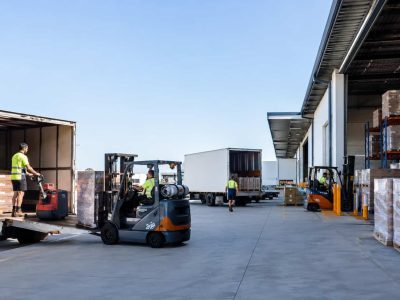
Third-party logistics pricing is built around how your operation actually runs, not a one-size-fits-all model. Storage, inwards handling, order picking, packing, and dispatch all sit within a broader warehouse and distribution setup.
The more labour, time, or handling your business requires, the more it influences overall cost.
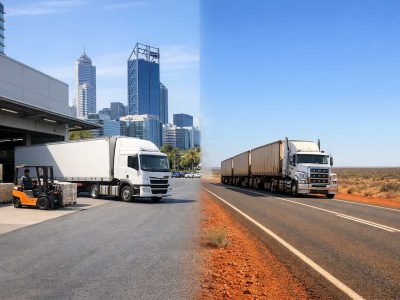
Perth and wider WA also have specific factors that affect pricing compared to the eastern states. Longer freight distances, fewer delivery corridors, and greater reliance on accurate dispatch timing mean inefficiencies tend to compound faster if processes are not set up correctly.
This is why two businesses with similar stock volumes can receive very different quotes. Cost is driven by complexity and workflow, not just how much space your stock takes up.
Good 3PL pricing is not about finding the cheapest rate. It is about setting up your logistics operation so handling is efficient, errors are reduced, and unnecessary work is avoided over time.
The main cost drivers in third-party logistics
Once the fundamentals are clear, the next step is understanding the specific areas that drive day-to-day 3PL costs.
Storage type and charging models
Storage costs are rarely just about space.
Most 3PL providers offer pallet storage, shelf or bin storage, and bulk floor storage. What matters most is how often stock is accessed, moved, or replenished.
Fast-moving items stored close to pick areas require more handling than slow-moving pallets stored in reserve locations. The more frequently stock is touched, the more labour is involved.
This is why choosing the right setup is critical. Businesses with high SKU counts or fast-moving inventory often benefit from tailored warehouse storage solutions for Perth businesses rather than default pallet-only models.
Inwards handling and receiving
Inwards handling is one of the biggest and most underestimated cost drivers in 3PL pricing.
Costs here depend on:
-
Whether goods arrive palletised or loose-loaded
-
Container deliveries versus standard freight
-
The number of SKUs being received
-
Labelling accuracy and booking preparation
A loose-loaded container with mixed stock takes significantly more time to unload, sort, and put away than palletised freight. This is why services such as container unpacking and packing play a major role in controlling labour time and keeping warehouse workflows efficient.
How your stock arrives often has more impact on cost than how much stock arrives.
Picking, packing, and dispatch
Picking and packing costs are driven by order complexity, not just order volume.
Key factors include:
-
Single-line orders versus multi-line orders
-
Number of picks per order
-
Packaging and labelling requirements
-
Dispatch cut-off times
A smaller number of complex orders can require more labour than a larger volume of simple orders. For businesses wanting a deeper understanding of how fulfilment workflows affect cost and accuracy, this practical guide to picking and packing in 3PL provides helpful context.
Dispatch then links directly into delivery performance. Coordinating warehouse operations with reliable freight transport helps reduce delays, rehandling, and last-minute changes that drive costs up.
Additional and often overlooked 3PL costs
Beyond the main cost drivers, there are several areas that are often overlooked when comparing 3PL providers.
Returns handling and restocking
Returns are not simply reverse picking. They usually involve:
-
Receiving and inspecting returned items
-
Assessing damage or resale suitability
-
Relabelling or repackaging
-
Updating inventory systems
-
Restocking or quarantining goods
Each step requires time and labour. Clear workflows within a well-managed warehouse environment help reduce unnecessary handling and keep returns costs under control.
This is one of the reasons many businesses reassess their provider after experiencing returns-related inefficiencies and begin exploring why working with a 3PL provider can improve overall operations beyond simple storage.
Stock checks, adjustments, and rehandling
Maintaining accurate inventory requires ongoing work.
Costs increase when:
-
Stock is moved without system updates
-
SKUs are poorly labelled or stored inconsistently
-
Errors lead to re-picking or rehandling
-
Urgent stock checks are needed to resolve discrepancies
While these activities are essential, poor setup can turn them into a recurring cost rather than a controlled process.
Seasonal pressure and workload spikes
Many Perth businesses experience seasonal or project-based demand. During these periods, labour pressure increases and error risk rises.
Without forward planning, costs often increase through overtime, priority handling, or reactive freight decisions. Businesses that communicate expected volume changes early are usually better positioned to manage these spikes efficiently.
The hidden costs and how to reduce your 3PL spend
Some of the most expensive logistics issues never appear as clear line items on an invoice. They show up through inefficiencies that affect margins, customer satisfaction, and internal resources.
Stock errors and mis-picks
Picking errors lead to:
-
Extra handling to correct mistakes
-
Additional freight to resend or return goods
-
Time spent resolving customer issues
-
Damage to retailer or customer relationships
Over time, these costs can outweigh any savings gained from lower headline rates. Strong processes and accurate stock control help keep logistics spend predictable.
Late dispatch and downstream delivery impacts
Late dispatch can trigger:
-
Missed carrier cut-offs
-
Priority or express freight charges
-
Rehandling of staged orders
-
Flow-on delays across the warehouse
When warehouse workflows are aligned with outbound freight transport, dispatch becomes more reliable and far less reactive.
Emergency fixes and reactive handling
Unplanned work such as urgent stock checks, re-picks, repacking, or short-notice freight upgrades usually points back to setup issues rather than daily performance.
Fixing the root cause is almost always more cost-effective than repeatedly fixing the symptoms.
How to reduce your storage and transport costs
Reducing 3PL spend is less about negotiating rates and more about building efficient workflows from the start. This includes:
-
Clear inbound planning and labelling standards
-
Logical storage layouts based on stock movement
-
Realistic dispatch cut-offs
-
Open communication around volume changes
-
Partnering with an experienced warehouse and distribution provider focused on accuracy and flow
Looking to reduce your 3PL costs without cutting corners?
Bossna Logistics provides Perth businesses with a smarter 3PL setup that reduces unnecessary handling, improves dispatch accuracy, and keeps logistics running smoothly.